
What is a carton folding and sealing machine?
A folding and sealing carton machine is an automated packaging equipment mainly used to automatically fold the top flap and seal the top and bottom flaps (usually using tape) of a carton already filled with products.
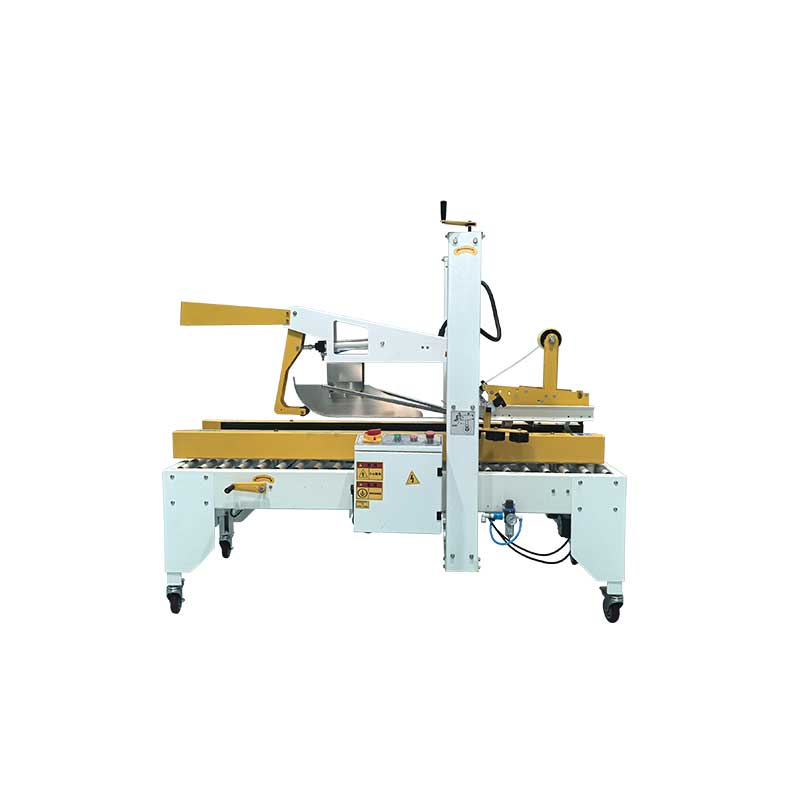
Core Working Principle
The typical workflow of a carton folding and sealing machine is as follows:
- Input and Positioning: Cartons already filled with product and sealed at the bottom enter the sealing machine via a conveyor line. Photoelectric sensors detect the carton’s position and adjust its orientation to center it.
- Automatic Folding: Guide rods, belts, or robotic arms on both sides and top of the machine fold the four flaps (front flap, back flap, and side flaps) of the top of the carton flat in a preset sequence.
For cars of different heights, high-end models can automatically sense and adjust the height of the folding mechanism.
- Automatic Sealing:
- Tape Sealing: The most common method. The machine simultaneously drives the tape rollers from top to bottom, applying a straight line of tape to the top and bottom (if the bottom is not sealed) of the carton. Some models support a T-shaped seal (i.e., tape is also applied to the sides), providing even stronger reinforcement.
- Hot Melt Adhesive Sealing: Some high-speed or heavy-duty cartons use spray adhesive, resulting in a stronger bond and no tape residue.
Output: The sealed cartons are conveyed to the next stage (such as inkjet printer, checkweigher or palletizer).
Types of folding and sealing machines
Based on their level of automation and adaptability, carton sealing machines are mainly divided into:
Automatic Folding and Sealing Machine (Standard Type):Suitable for cartons of a single or similar size.
Requires manual or mechanical adjustment of the guide rod width and height to accommodate cartons of different sizes.
High cost-performance ratio, most widely used.
Fully Automatic Random Sealing Machine (Intelligent/Adaptive Type):
Core feature: No manual adjustment required. The machine automatically detects the length, width, and height of each passing carton using sensors.
Advantages: Can continuously process cartons of different sizes (e.g., e-commerce shipping, where each package is a different size), automatically adjusting the folding position and sealing height.
Applications: Logistics centers, e-commerce warehouses, multi-variety mixed-line production.
Corner Sealing Machine: In addition to sealing the top and bottom flaps, it can automatically seal the four vertical corners of the carton with tape, providing extremely high reinforcement and protection. Commonly used for heavy goods or long-distance transportation.
Advantages of folding and sealing machines
Excellent sealing: The machine applies even pressure, ensuring a tight seal with the tape, effectively preventing dust, moisture, and theft, and reducing transportation losses.
Extremely high efficiency: Processing 20-60 boxes or more per minute, far exceeding the speed of manual sealing.
Consistent image: Precise and straight tape application enhances the professional image and brand value of product packaging.
Savings on consumables: Precise control of tape length avoids waste associated with manual operation.
Reduced labor intensity: Replaces repetitive bending, folding caps, and pulling tape.
Application
E-commerce logistics: Handling massive volumes of express parcels of varying sizes (especially those requiring random sealing machines).
Food and beverages: Boxed beverages, snacks, grains, and oils.
Pharmaceuticals and chemicals: Medicine boxes and chemical drum cartons requiring strict sealing.
Home appliances and electronics: Reinforced packaging for heavy or valuable items such as televisions, refrigerators, and computers.
Machinery manufacturing: Export packaging for spare parts.
Conclusion
Folding and sealing machines not only complete the final physical sealing step in packaging, but also serve as a crucial line of defense to ensure products arrive safely and undamaged from the factory to the consumer. With the development of intelligent sensing technology, modern folding and sealing machines are becoming increasingly flexible, easily meeting the needs of flexible production with “small batches and multiple varieties.”